
;)
As the Gengras Center at the University of Saint Joseph celebrates its 60th year as Connecticut’s cornerstone of inclusive and supportive specialized education, we salute its dedication to creating connection, fostering independence, and empowering students to live full and meaningful lives.
Turning vision into action:
Gengras family values
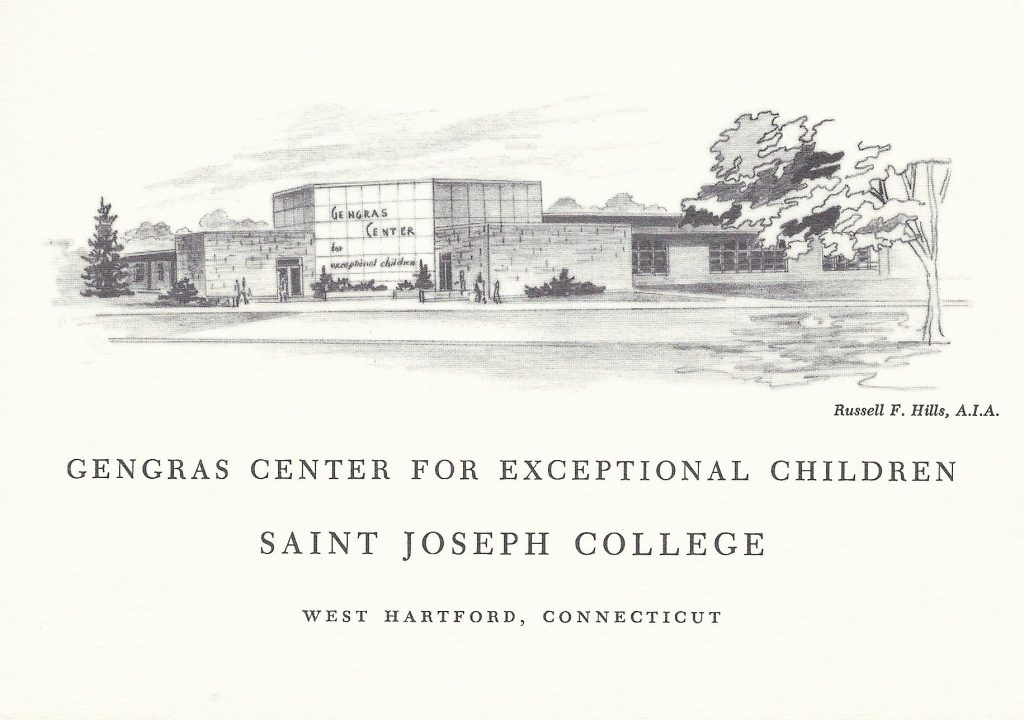
IN OCTOBER 1963, President John F. Kennedy signed historic legislation to fund facilities for the care and education of individuals with intellectual disabilities. But months before that landmark moment, E. Clayton Gengras had already begun turning vision into action — laying the foundation for a groundbreaking school for children with special needs in West Hartford, Connecticut.
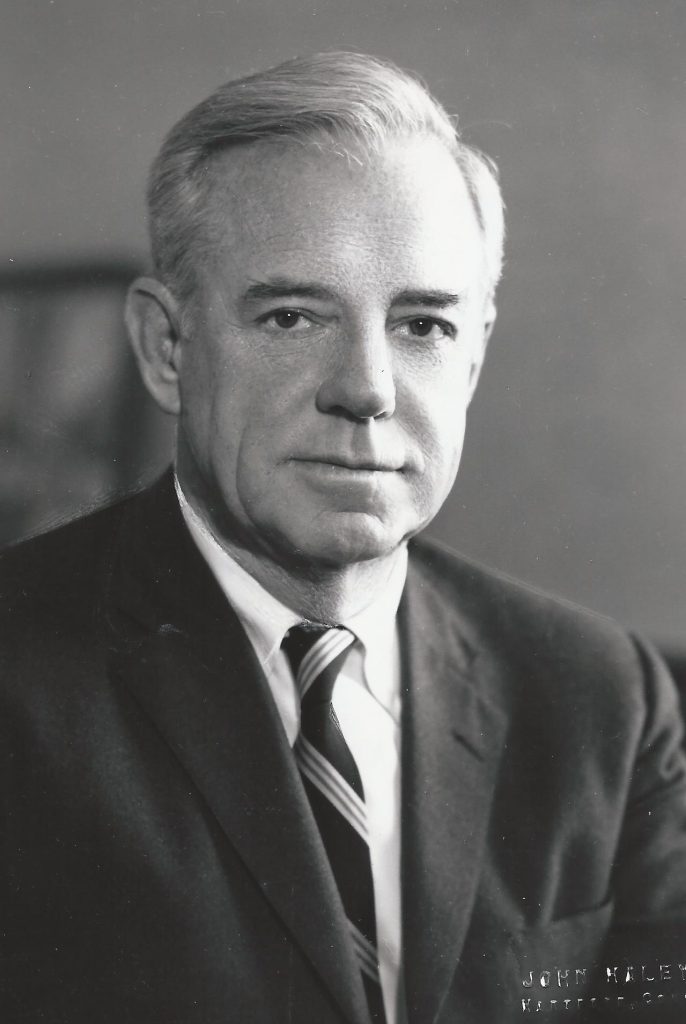
An associate trustee of then-Saint Joseph College, Gengras pledged $250,000 in March of 1963 to build a center for intellectually disabled students on the campus. His inspiration came from the compassionate work of his cousin, Father Joseph “Cal” Gengras, who served as director of the Office of the Handicapped for the Archdiocese of Hartford.
That pledge would transform special education in Connecticut. On December 8, 1965, the Gengras Center for Exceptional Children was officially dedicated and a Gengras family legacy began.
Over the decades, the family’s commitment has never wavered. A bequest from Father Cal later funded a fleet of buses for the Center. A gift from the E. Clayton and Edith P. Gengras Foundation later provided 30 Dell laptops, enabling distance learning during the COVID-19 pandemic.
And the Gengras family’s philanthropy continues. E. Clayton “Skip” Gengras Jr. and his wife Edie, pledged $3 million to USJ to launch construction of the CARE building in 2013. This year, Skip and Edie, along with sons and daughters-in-law Chip and Ashley, and Jonathan and Robyn, were significant contributors to the construction of the playground, “Cal’s Place.”
“The Gengras Center was a dream of my father’s, and it has flourished. It certainly has done what he anticipated and so much more,” Skip Gengras said.
Expanding possibilities:
CARE building meets growing needs
AS DIAGNOSES OF autism spectrum disorder (ASD) surged over the past two decades, so too did the number of students with ASD at the Gengras Center — growing from just eight students in 2000 to 60 by 2015, nearly half of the school’s total enrollment.
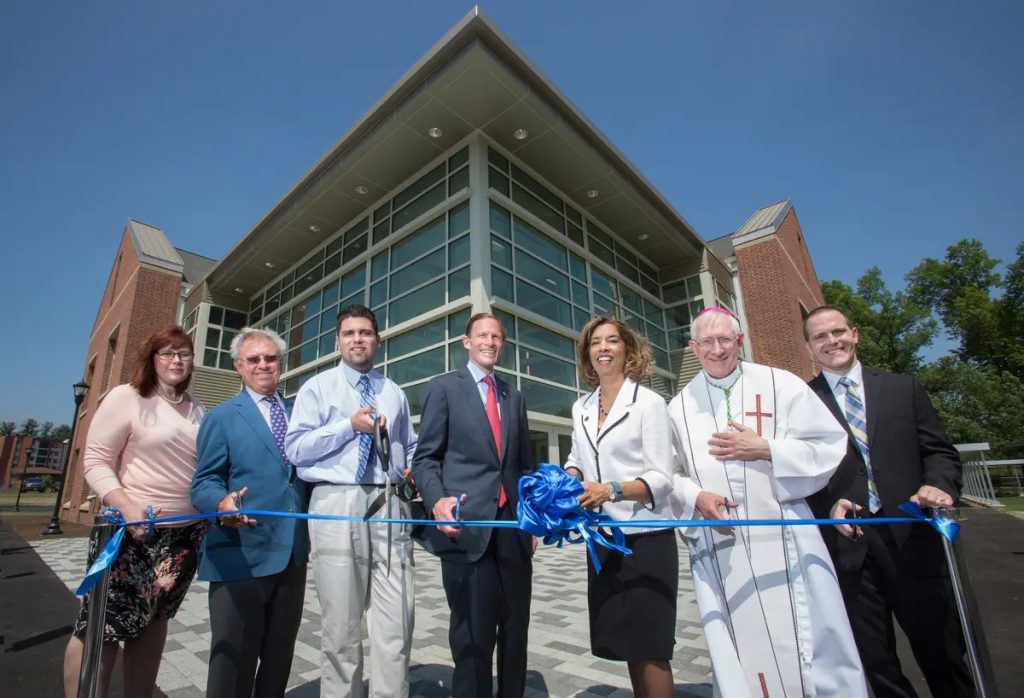
CARE ribbon-cutting: from left to right: Michelle Lestrud, M.Ed., director, Gengras Center School; E. Clayton “Skip” Gengras Jr., board chair, USJ; Cameron Fontana, Gengras Center School student; Richard Blumenthal, U.S. Senator; USJ President Pamela Trotman Reid, Ph.D.; Archbishop Leonard T. Blair, S.T.D.; and John Molteni, Ph.D., assistant professor of Special Education and director for Autism and Behavioral Studies at USJ.
With that growth, and the enrollment of additional students with multiple disabilities, came new needs: more specialized equipment, including walkers, wheelchairs, and standers — and, most importantly, more space to deliver the highly specialized care that defines Gengras.
The answer came in the form of the Center for Applied Research and Education (CARE), a 22,000-square-foot expansion designed to meet students’ evolving needs and enhance learning for all. The new facility added a gymnasium, therapy rooms, art studios, four additional classrooms, and a vocational and life skills lab that prepares students for greater independence.
When it opened in 2015, CARE not only alleviated the school’s space challenges but also became a collaborative hub for both Gengras students and University of Saint Joseph students preparing for careers in Special Education, Counseling, and Applied Behavioral Studies. The Center’s synergy extends to USJ’s M.A. in Special Education program, which offers a Certificate in Autism and Neurodiverse Learners.
The CARE building’s grand opening fittingly marked the Gengras Center’s 50th anniversary — a milestone celebrating five decades of hope, growth, and possibility.
“Fifty years ago, who would have known that the dreams of a few would have affected so many,” said Gengras. “There is magic and there are miracles at the Gengras Center — and now, there are two buildings to host the magic and miracles. I am so proud to be just a little part of it,” Skip Gengras said. “It is a very special place.”
“Fifty years ago, who would have known that the dreams of a few would have affected so many. There is magic and there are miracles at the Gengras Center… It is a very special place.”
Skip Gengras
Building independence:
Preparing students for life beyond the classroom
FROM THE MOMENT students walk through the doors at the Gengras Center, they begin building the foundation for independence. Social skills development is woven into every part of the school day — helping students grow in confidence, learn self-advocacy, and develop the interpersonal and social skills that empower them to thrive.
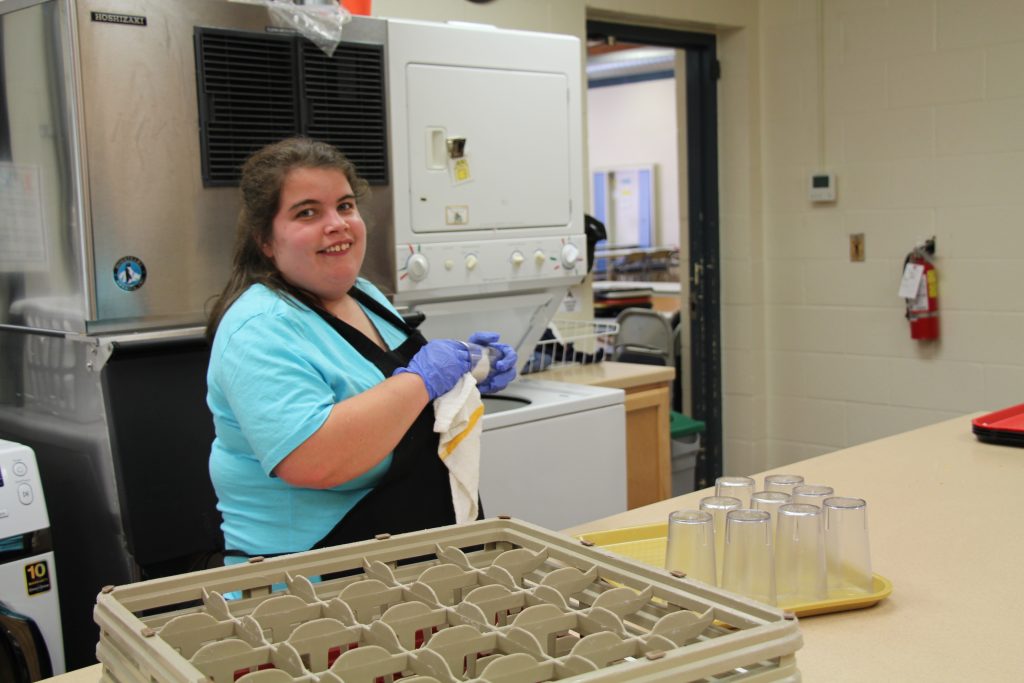
Formal transition planning begins just before a student’s 14th birthday, when teachers and specialists collaborate to set individualized goals, outline strategies, and identify the skills and services each student needs to succeed in the community with maximum independence.
In high school, students take part in life skills classes that cover everything from personal care and health to recreation, community participation, and vocational training. The Gengras Vocational Department extends learning beyond the classroom — offering real-world work experiences on the University of Saint Joseph campus and throughout the local community.
For students ages 18–22, the transition program provides even more intensive preparation for life after school. Through hands-on instruction and community-based experiences, students continue to strengthen the skills that promote confidence, independence, and readiness for adult life — achieving one of the Gengras Center’s most important goals: successful outcomes for every student.
A living classroom:
Gengras offers USJ students hands-on, innovative learning
WHEN THE GENGRAS Center opened its doors in 1965, it became Connecticut’s first special education laboratory school — serving as a training ground for USJ’s Special Education majors. Since then Gengras has carried forward its legacy of innovation, compassion and collaboration.
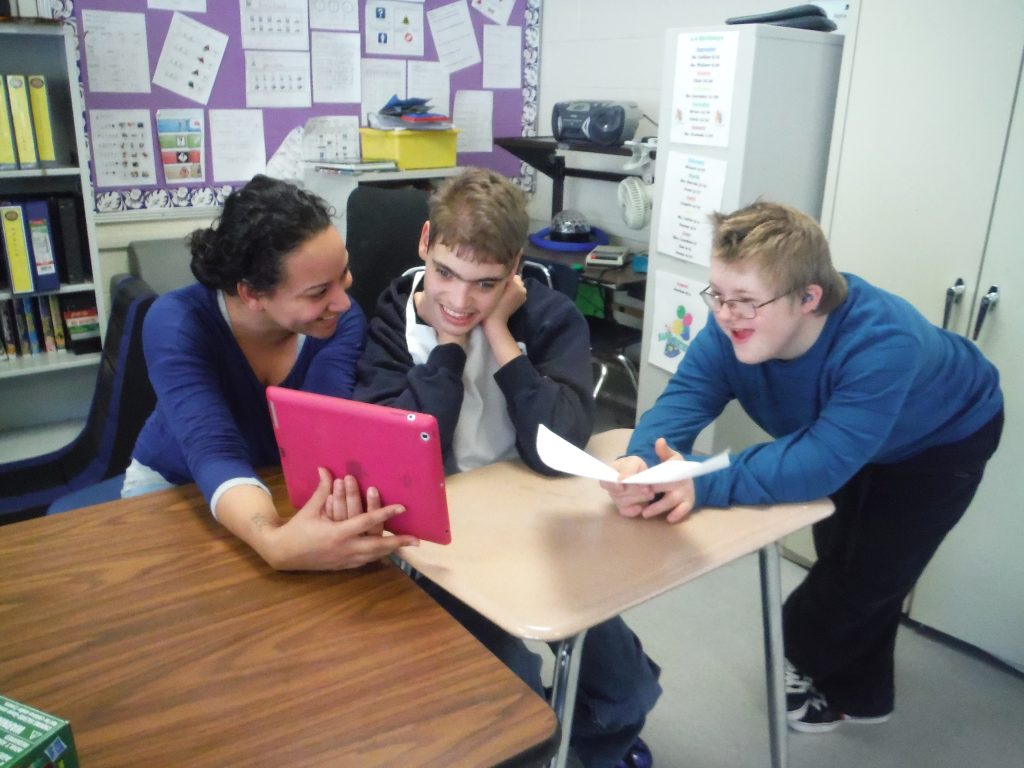
“The Gengras Center provides our Special Education majors with opportunities to learn from experienced educators and exceptional students while practicing their own teaching in a safe, supportive environment— just minutes from our classrooms,” said Associate Professor of Special Education, Jennifer Kowitt, Ph.D.
Today, Gengras continues to expand its reach beyond Special Education, offering rich experiential learning opportunities for students majoring in Applied Behavior Analysis, Psychology, Nursing, Social Work, Counseling, and Nutrition. Through hands-on engagement and observation, USJ students gain not only professional skills but also the empathy and understanding needed to make a lasting impact in their fields.
A place for every child:
Gengras Center unveils inclusive new playground
THE GENGRAS CENTER has a brand new playground — one thoughtfully designed to foster cognitive, social, and physical development for children of all ages and abilities.
Now named Cal’s Place, in honor of Father Joseph “Cal” Gengras, a beloved member of the philanthropic family that made the Gengras Center possible, the new playground was unveiled at a ribbon-cutting ceremony on Oct. 8.
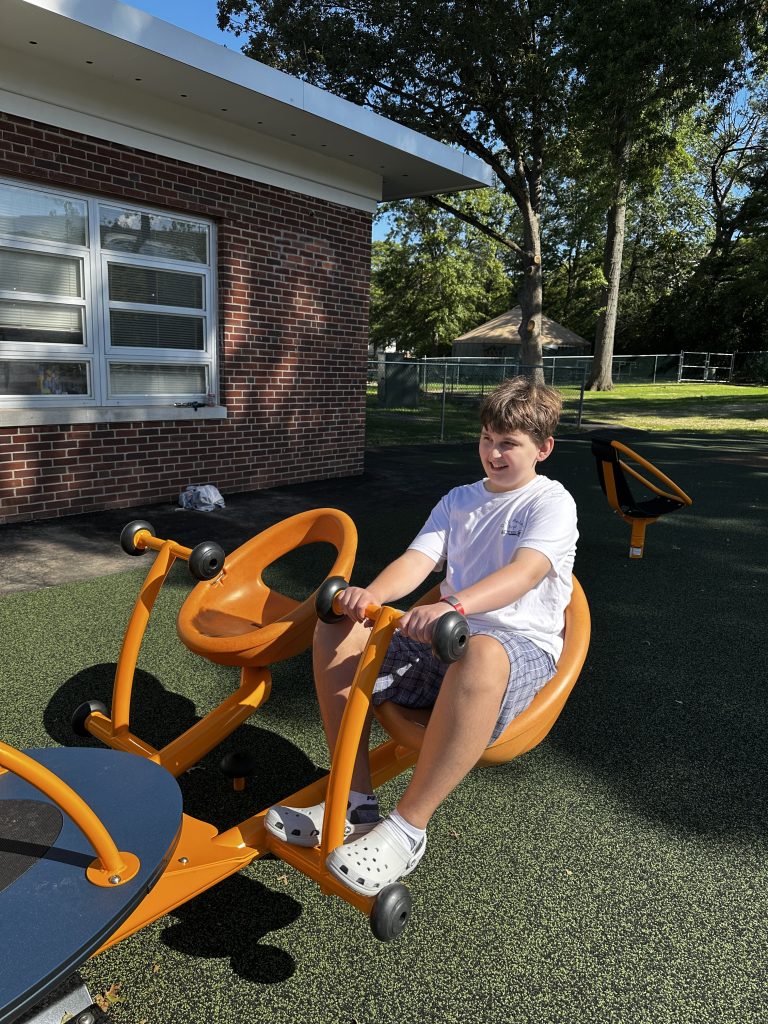
Cal’s Place features innovative sensory activity panels throughout the playground, designed to promote interaction, engagement, and collaboration among students. A dedicated fitness area encourages physical activity for learners of all ages and abilities while a smooth, poured-in-place surface enhances accessibility for students with mobility challenges.
“We have goals for our students in the areas of fitness, social-emotional well-being, communication, and leisure skills,” said Gengras Center Director Michelle Lestrud. “Cal’s Place will help us work towards those goals and allow the students to actively learn while having fun.”
The playground’s thoughtful enhancements reflect the University’s commitment to inclusive design, creating a barrier-free environment where students of all motor, sensory, and learning abilities can play, socialize, and grow together.
More than just a renovation, Cal’s Place stands as a joyful reminder of what’s possible when equity, community, and belonging come together.